
What you get
A report you can read, and files you own
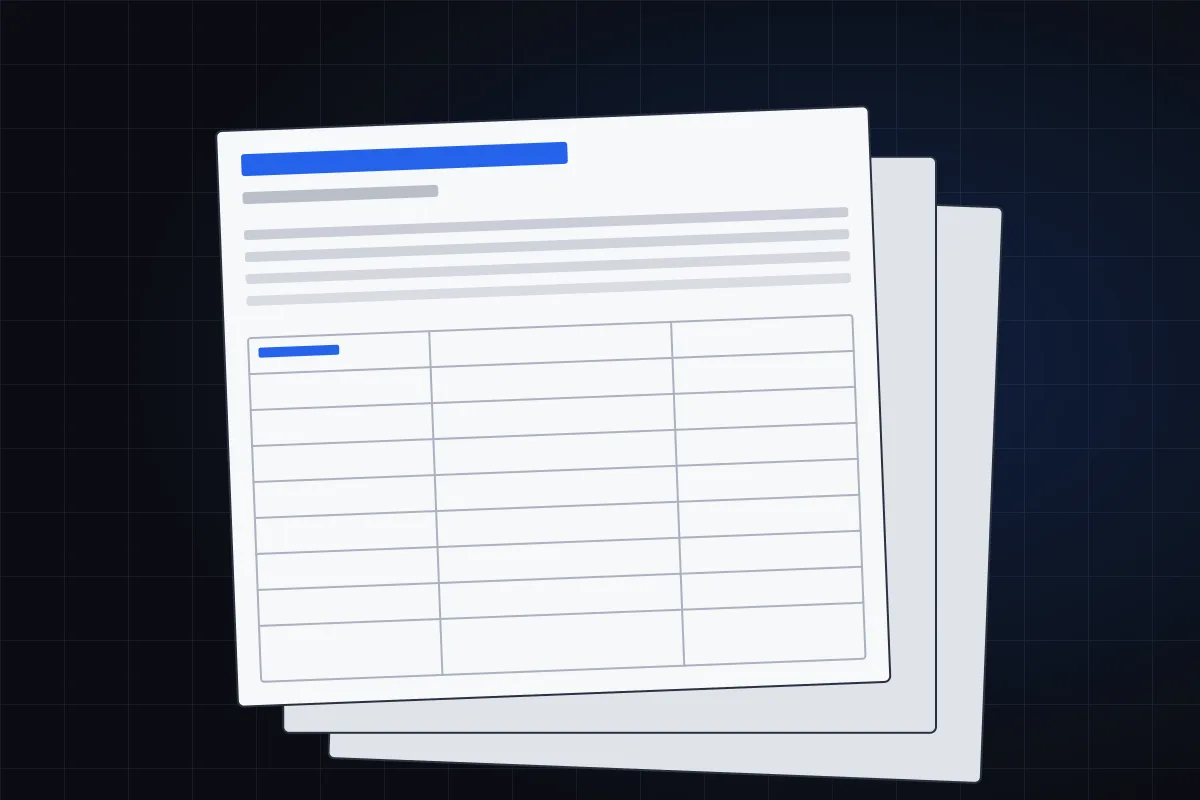
This is the outline of every Takeover Assessment report. It is a sample structure with no client information in it.
Sample table of contents
Eleven parts, in the same order every time
The small tier includes sections 1, 2, 4, 5, 6 and 8 in plain English. Larger tiers use the full structure. A stand-alone Health Review uses the same structure at greater depth.
| No. | Section | What it tells you | Small tier |
|---|---|---|---|
| 1 | Cover | Scope, dates, environment, authorization reference, who reviewed the work, a statement that it is AI-assisted and human-reviewed, and the limitations. | Yes |
| 2 | Summary (one page) | What the software is and does, who supports it today, what breaks if the old vendor stays gone, the top five items in plain English, the total priced fix cost, a 30, 60 and 90 day plan and a recommended retainer tier. | Yes |
| 3 | Method | What was read and run, how AI was used (or that it was not), and confirmation of human review. | No |
| 4 | System map and documentation | Components, data flows, hosting, domains, accounts and who holds access, plus the runbook and restore steps we wrote. | Yes |
| 5 | Stabilization done | Backups verified and a restore tested where possible, hosting and access moved to accounts you own, a repository set up, monitoring added. | Yes |
| 6 | Stack and dependency health | End-of-life dates, outdated frameworks and packages, licenses, and hosting or license cost waste. | Yes |
| 7 | Findings and priced fix list | For each finding: an ID, the continuity, outage or end-of-life impact, the evidence, the fix and the price of the fix. | No |
| 8 | Modernization and AI opportunity map | Fix in place, replace in stages or rebuild, and where AI could help later. | Yes |
| 9 | Retainer proposal | Recommended tier, expected hours, and the 100% credit statement valid for 90 days. | No |
| A | Appendix A: tooling findings | Output from automated tools such as dependency checks and certificate details, labeled as tooling findings. Secrets, if any are seen, appear only as fingerprints. | No |
| B | Appendix B: scope and glossary | The scope letter and a glossary of terms in plain English. | No |
Files and format
Everything arrives in a form you can keep
- A PDF report, written in plain English.
- A JSON export of the findings, for your records or your next provider.
- A ticket repository that you own, with each finding as an item.
- An access and credential inventory in your name.
- Or a verbal readout only, if you would rather have nothing written.
Samples are masked: no client name appears in anything we show publicly.
The readout
45 to 60 minutes, then 14 days for questions
We walk through the summary and the priced findings in business terms: what is running, who has access, what it costs, what to fix and in what order. The technical appendix is separate.
The engagement can run through your counsel at your request. We send proposals for fixes or a retainer after the readout, not during it.
What every report says on the cover
Findings are as of the stated date. This is not a guarantee, a security assessment or a penetration test.
Our reports are about continuity: whether the software can keep running and who can look after it. We do not offer security assessments or security testing, and we refer those to specialists. Our work is AI-assisted and human-reviewed, and the report states how.
To see how the assessment fits with the rest of what we do, read How It Works or the Takeover Assessment page.
Tell us what you have
In two weeks we know it, document it, and keep it running. Send a few lines about your software and we will reply by email.